
Effects of antibiotics on teeth – as a child and adult
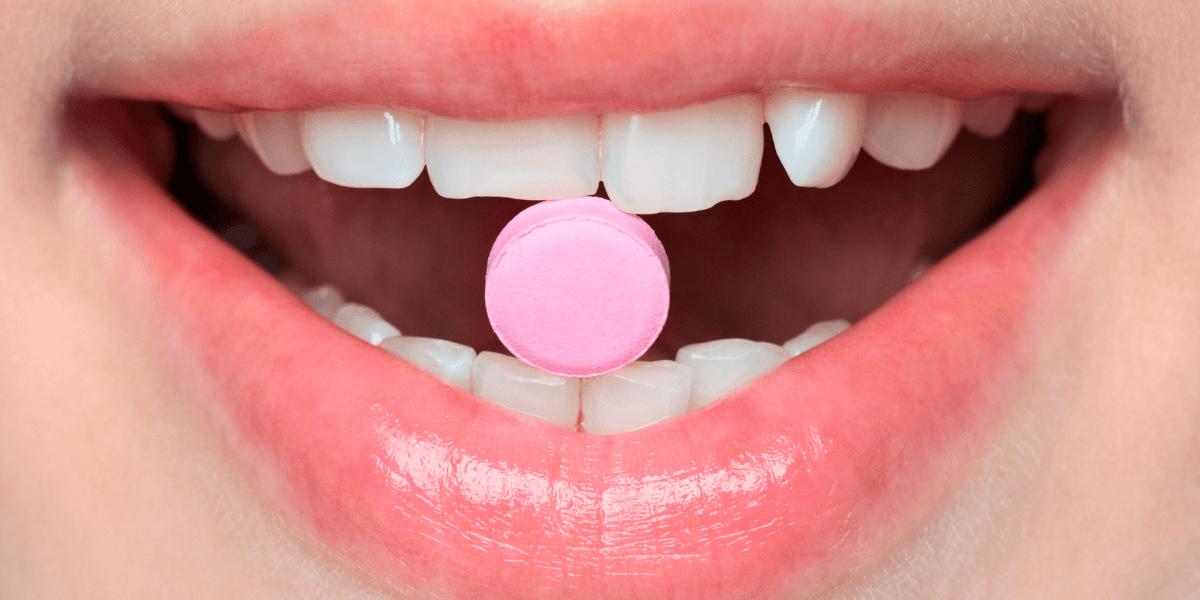
Investigating another aspect of the link between oral and systemic health, this article highlights the lasting impact of antibiotics on teeth. It stresses the importance of understanding that while antibiotics are a powerful solution for bacterial infections, their effects on oral health vary based on factors like duration and age. Through compelling examples, it advocates for awareness, especially in pregnant women, as antibiotics like tetracycline can result in permanent discoloration. The article underscores the need for informed choices and emphasizes modern dentistry’s ability to address aesthetic concerns through evolving options like veneers and crowns.
If there is a link between oral and systemic health, does this mean there’s a link between medications and the oral cavity as well? As it turns out, yes! Let’s discuss the systemic implications of antibiotics and how they can affect the teeth long after the course has been finished.
What are antibiotics and why do people take them?
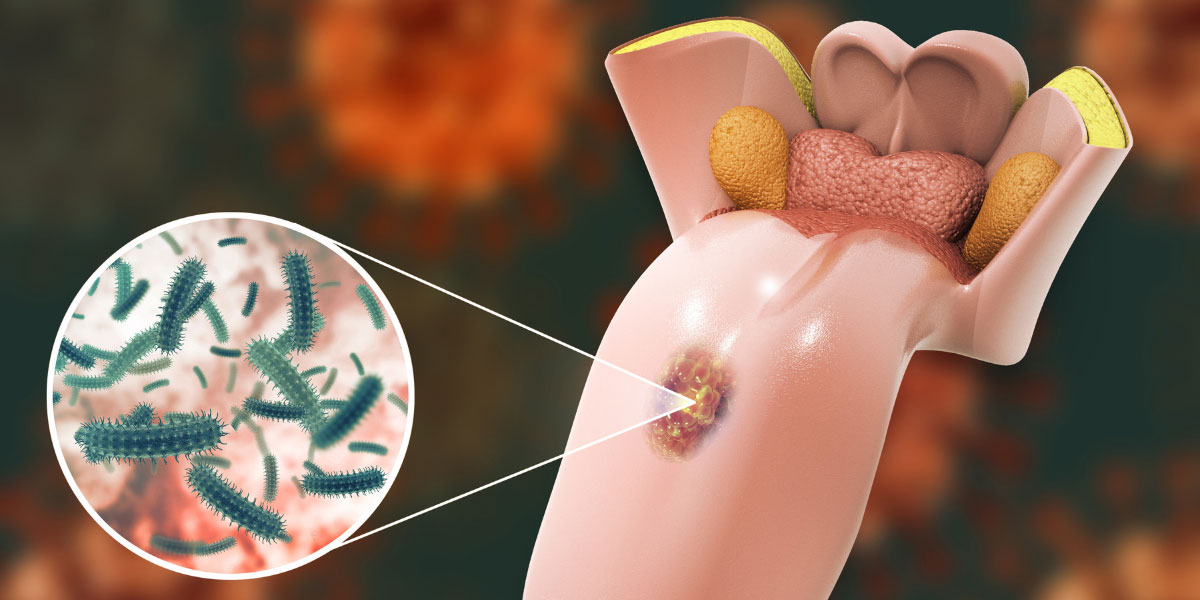
Antibiotics are taken for bacterial infections like strep throat or UTI’s [1]. These are infections that are caused by an overgrowth of bacteria. Antibiotics work by killing off these bacteria or preventing them from multiplying. While antibiotics are useful in treating bacterial infections and quickly bring relief, they are not useful for viral infections like herpes or the flu.
Do antibiotics always affect teeth?
While antibiotics can affect your teeth, it doesn’t mean that they necessarily will. In fact, there is a good chance that you will take an antibiotic at some time in your life without any kind of complication. Effects of antibiotics on teeth are mostly dependent on two different factors: 1.) how long the antibiotic was/is taken and 2.) age.
What are the effects of antibiotics in children vs adults?
Fun fact, teeth begin to develop in utero at about 6 weeks [2]. Since the development process begins so early, it can be easily disrupted by genetics, drug/alcohol use of the mother, and medications. Tetracycline is one of the antibiotics most associated with developmental disturbances of the teeth [3]. It is a broad-spectrum antibacterial drug that is used to treat many infectious diseases. When taken during pregnancy, it causes permanent discoloration to the teeth. Tetracycline staining often appears brownish- gray or sometimes has a bluish hue. Tetracycline staining can affect adults as well, but this is typically only in adults who take it for long periods of time. Amoxicillin ingestion while baby is in utero is associated with developmental enamel defects that appear as spotted white flecks, possibly due to hypo- mineralization of the enamel [2].
Are developmental tooth defects from antibiotics permanent?
Unfortunately, if the development process of teeth is disturbed when in utero, the effects are permanent. Developmental disturbances occur on a cellular level which then go on to affect the rest of the developing teeth. If teeth are affected by tetracycline staining and appear bluish gray, bleaching will not do anything to whiten them since the staining is within the tooth as opposed to on the tooth like coffee or red wine. The same goes for Amoxicillin and its areas of hypo-mineralization. For developmental stains like these, one might consider veneers or crowns as aesthetic options.
Developmental anomalies of the teeth are not uncommon. Teeth form very early in life and the development process can be easily disturbed. While developmental disturbances are permanent, dentistry is always evolving and affords many options for aesthetics.
- Centers for Disease Control and Prevention. (2021, October 6). Antibiotic use questions and answers. Centers for Disease Control and Prevention. https://www.cdc.gov/antibiotic-use/q-a.html
- Hong, L., Levy, S. M., Warren, J. J., & Broffitt, B. (2011). Amoxicillin use during early childhood and fluorosis of later developing Tooth Zones. Journal of public health dentistry. https://www.ncbi.nlm.nih.gov/pmc/articles/PMC4556648/
- Prachi, J., & Manu, R. (n.d.). Embryology, teeth – statpearls – NCBI bookshelf. https://www.ncbi.nlm.nih.gov/books/NBK560515/
.
RELATED ARTICLES